Notice: Function _load_textdomain_just_in_time was called incorrectly. Translation loading for the wordpress-seo domain was triggered too early. This is usually an indicator for some code in the plugin or theme running too early. Translations should be loaded at the init action or later. Please see Debugging in WordPress for more information. (This message was added in version 6.7.0.) in /var/www/html/wp-includes/functions.php on line 6260 Next in Line: Four Medtech Companies Eyeing the Top 30
Follow us on:
Breaking News
September 8, 2026
THE LATEST ON THE MEDICAL DEVICE INDUSTRY
Breaking News

Next in Line: Four Medtech Companies Eyeing the Top 30

 
Next in Line: Four Medtech Companies Eyeing the Top 30

Here’s a closer look at the firms that came closest to making the list.
Read More >>

Today's Top Headlines

OEM News

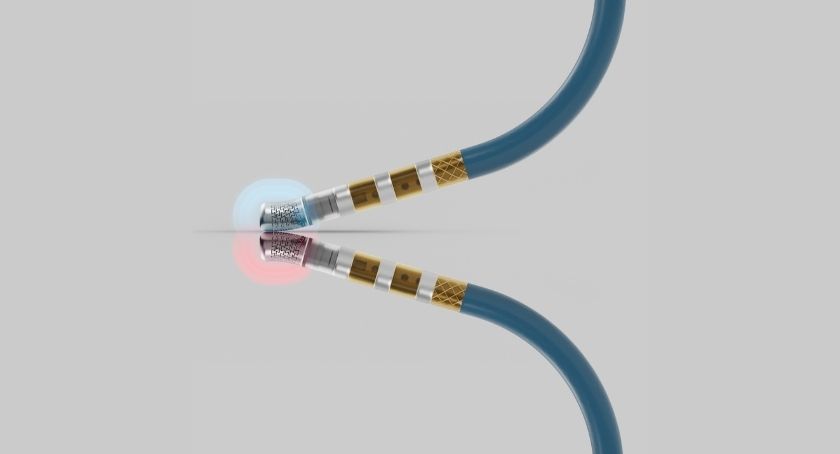
Abbott Gains FDA Approval for Dual-Energy Ablation Catheter

TactiFlex Duo is Abbott’s latest ablation catheter, enabling physicians to use PFA, RF energy, or both during AFib procedures.

OEM News

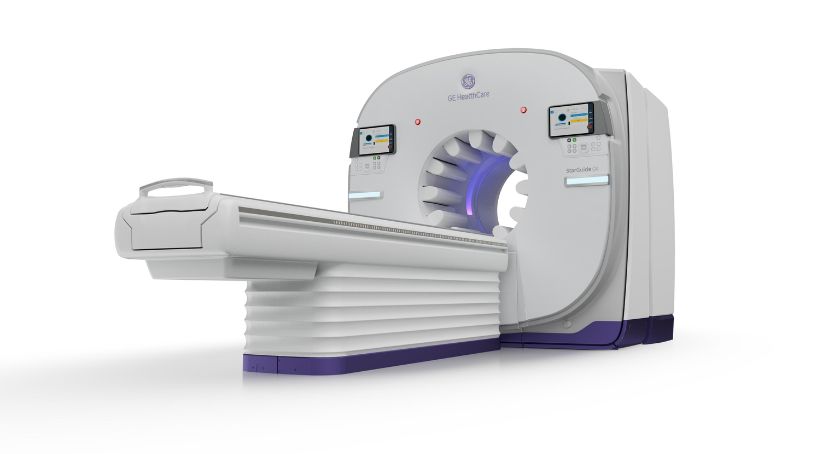
GE HealthCare Files 510(k) for StarGuide GX 4D SPECT/CT

StarGuide GX is designed to deliver the sensitivity, flexibility, and energy range needed to support emerging tracers.

OEM News

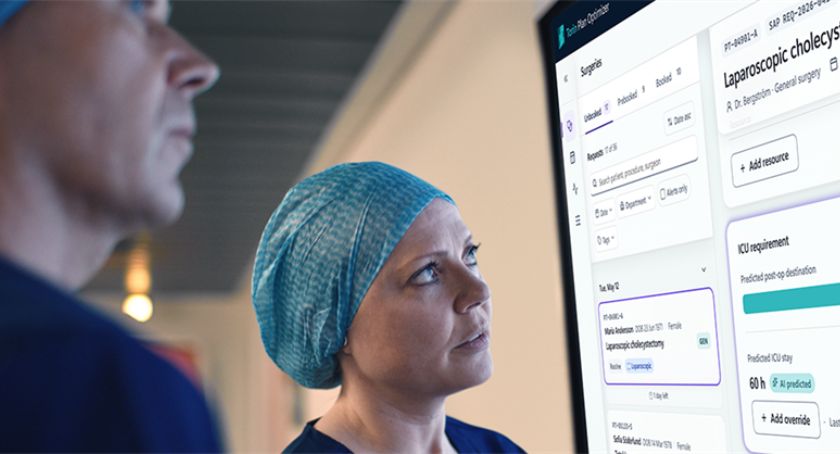
Getinge Releases Torin Plan Optimizer AI-Powered Surgical Planning

Beyond predicting procedure duration, the solution optimizes scheduling across ORs, surgical teams, and post-operative capacity.

OEM News

FDA Breakthrough Device Designation Granted to AI Tech That Drafts Radiology Reports

First Read is designed to help radiologists meet rising imaging demand.

OEM News

FDA Clears Cercare Medical’s AI-Powered Brain Tumor Segmentation

Oncology virtual expert enables semi-automated, on-premises tumor segmentation.

Financial & Business

More Than $1 Million in Funding Awarded to Six Arizona-Based Medtech Startups

The projects span neuromodulation, cardiac monitoring, AI-powered diagnostics, and chronic disease management.

Online Exclusives

Human Factors Engineering’s Role in Medical Device Design and Adoption

Clinical environments introduce unexpected pressures, interruptions, constraints, and human behaviors that no bench test can fully replicate.